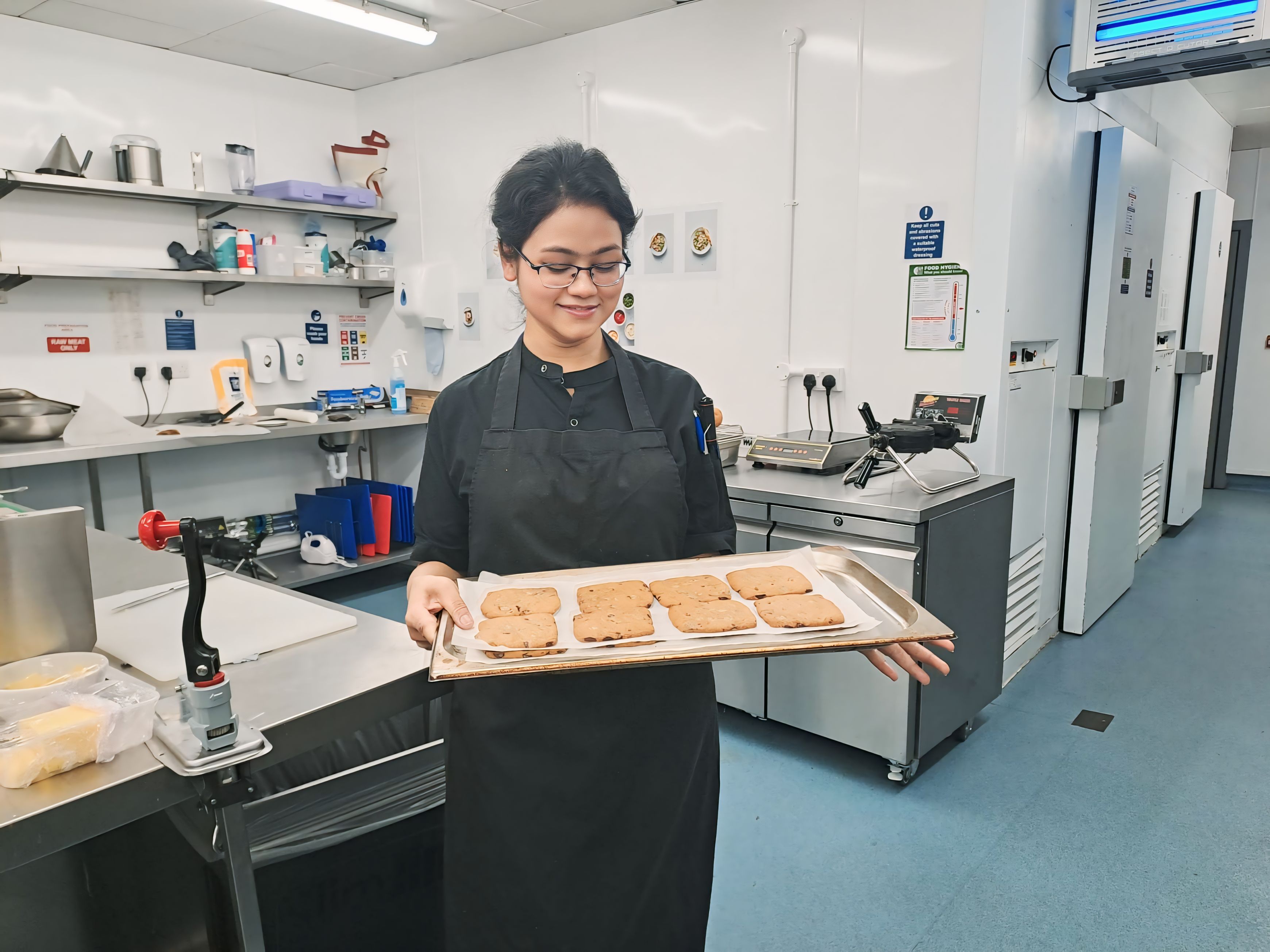
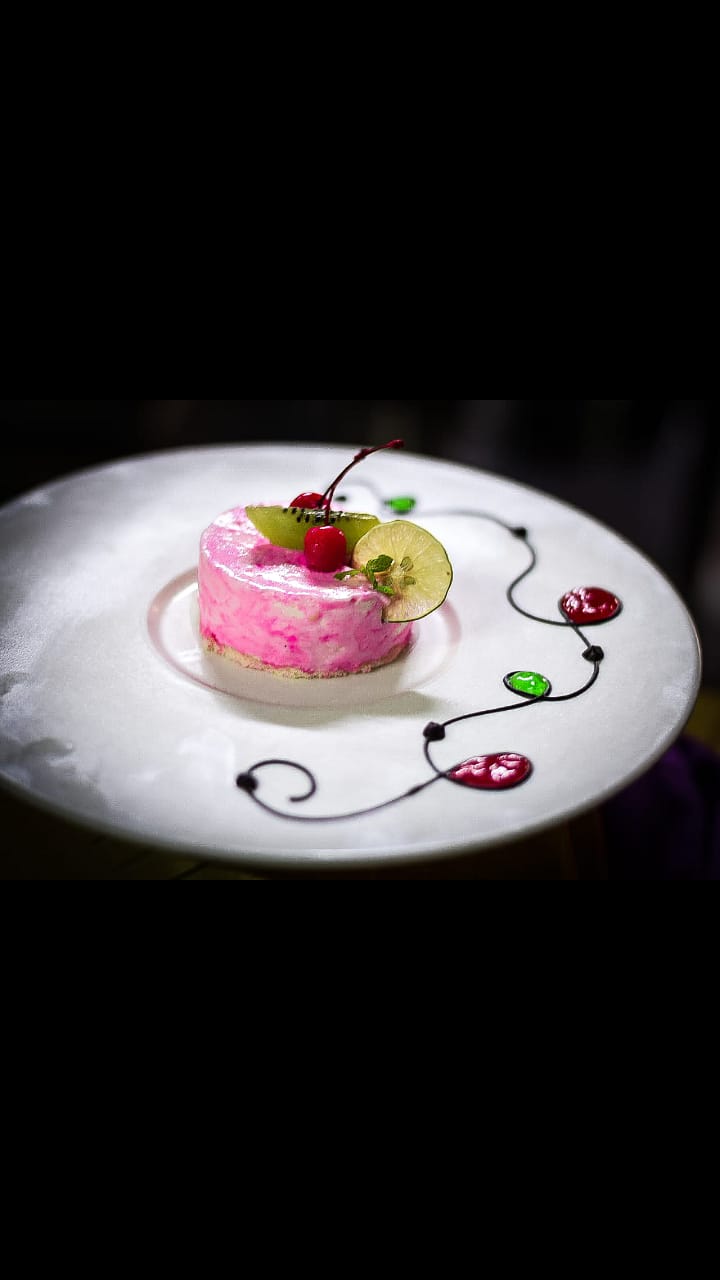
Where I Come From
I grew up in Kolkata, in a home where food was a language everyone spoke fluently.
My mother and grandmother didn't have formal training. They had something better—an intuitive understanding of how spice, time, and intention transform ingredients into emotion. I watched them for years, absorbing without realizing I was learning. A dash of mustard oil here, a sprinkle of ‘bhaja moshla’ to finish and the patience required for a slow simmer there. The way a meal could comfort when words couldn't.
I remember asking myself: why doesn't the world know about these cooks? Why doesn't their brilliance exist beyond our family and friends table?
That question changed the direction of my life. I decided to carry their gift forward—to take what they taught me and build something with it. Not to make their cooking "fancy" or "professional," but to honour what they knew and prove that intuitive wisdom + rigorous technique = something truly exceptional.
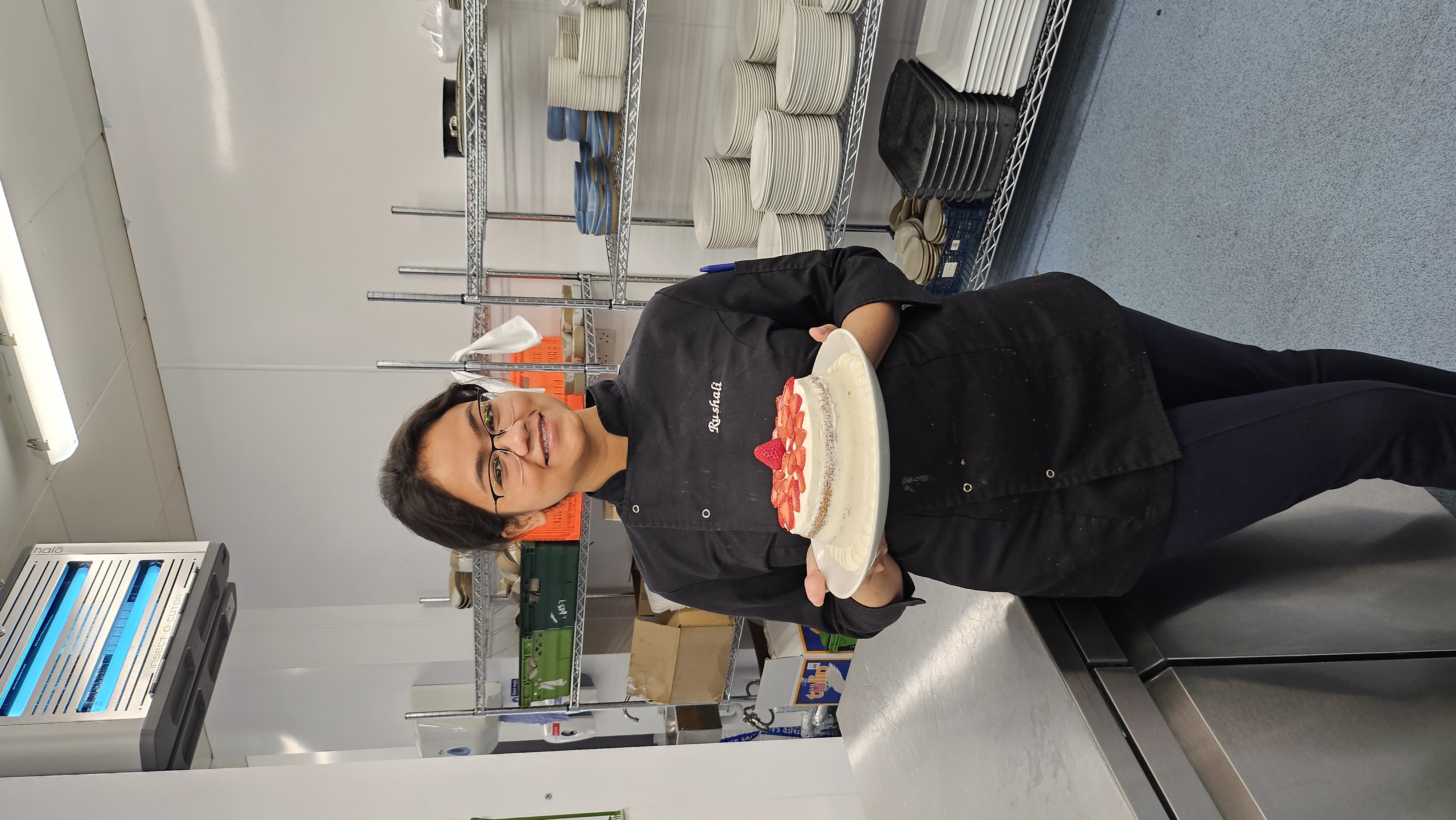
“Intuitive wisdom + rigorous technique = something truly exceptional.”
My Education: The Deliberate Path
Once I decided this was my calling, I pursued it with intention.
Culinary Academy of India
Foundations & Classical French TechniquesGave me foundations—technique, classical training, the French techniques, the architecture underneath the intuitive cooking. For the first time, I could name what I was seeing, understand the science of why flavours work, get layered and learn the precision.
Emirates Academy, Dubai
MBA in International Hospitality ManagementExpanded my view beyond the kitchen. I learned how food creates experiences, how service and storytelling amplify a dish, how restaurants and brands think about feeding people at scale. It was there I understood that food isn't just craft—it's business, psychology, culture, and emotion working together.
Sheffield Hallam University, UK
MSc in Food Consumer Marketing & Product DevelopmentBrought me full circle. I studied sensory evaluation, consumer behaviour, nutrition science, product innovation, food trends. This was the bridge—understanding not just how to cook something beautiful, but why people need it, how it affects them, what it means to their lives and most importantly, how to develop a food product that can be produced at scale with the same precision to reach the masses.
“Each qualification felt like adding another language to my vocabulary. Each one made me a more thoughtful, intentional cook.”
The Kitchens That Shaped Me
But the real education happened in real kitchens, with real pressure, real stakes.
I've worked through the kitchens in India, UAE & the UK. Each place taught me something different:
- How to execute flawlessly under pressure
- How the end product is as good as the quality ingredients we cook with.
- How to lead and collaborate across cultures
- How global cuisines can dialogue with each other and inspire.
- How technique can serve creativity rather than constrain it
- How to cook for 10 people and 1000 people with the same care
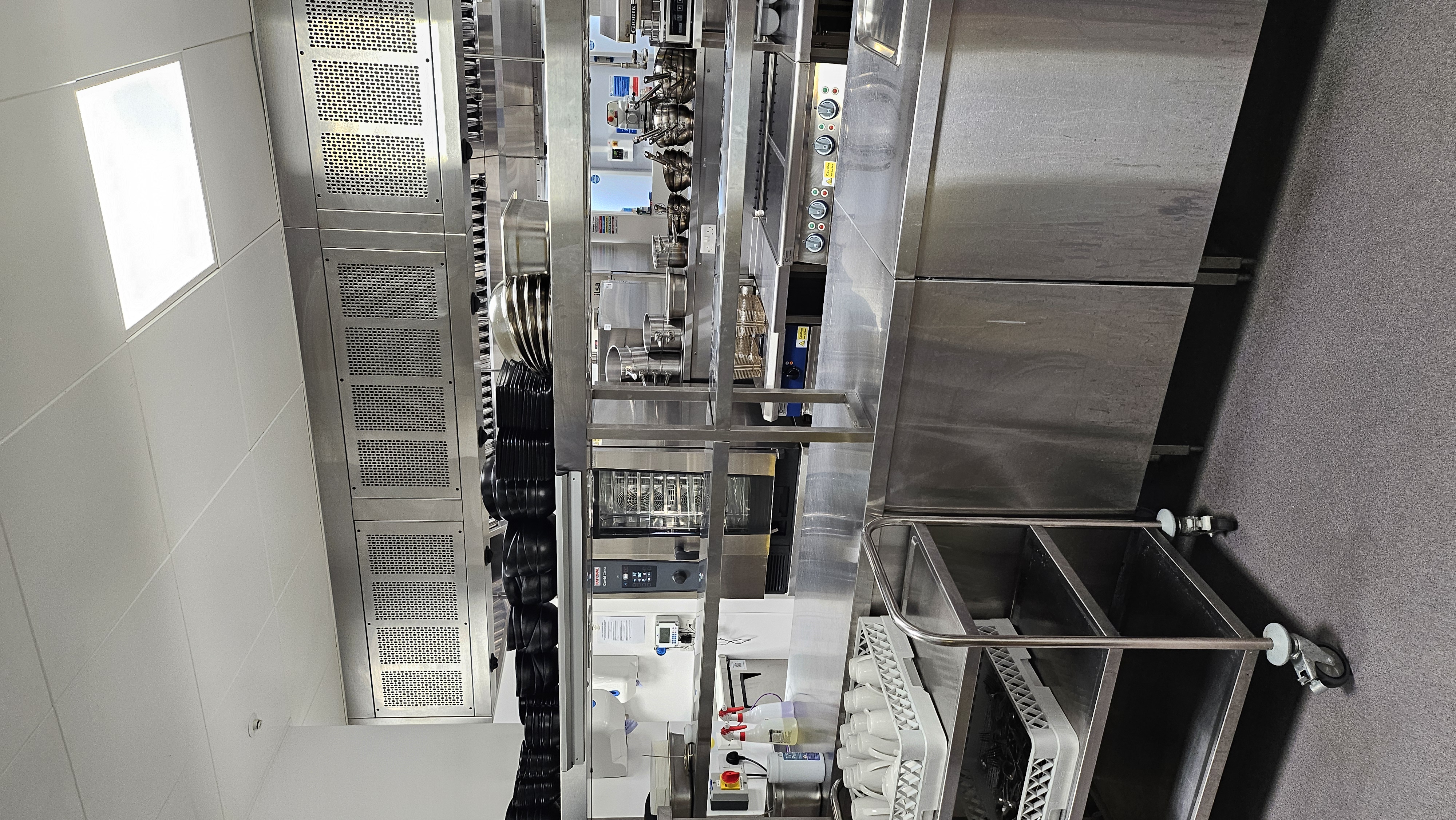
“The best food is intentional and transcends beyond the food itself.”
What I Believe
After all of this—the training, the kitchens, the mistakes, the moments of brilliance—I've learned that great food requires both precision and intuition working together.
It's not enough to execute technique beautifully if you don't understand why it matters. It's not enough to have authentic roots if you can't translate them as a story for different audiences, different seasons, different needs.
The food I create now sits at the intersection:

Respecting roots while fearlessly evolving
Bengali wisdom meets contemporary technique and global influence.
Understanding the science alongside the soul
Nutrition, sensory evaluation, and consumer insight inform intuition, not replace it.
Building with intention
Every element serves a purpose; nothing is arbitrary.
Creating connection
Food at its best brings people to the table and creates space for something deeper than conversation.
“I believe that when you eat food made this way, you can taste the difference. You can taste the thinking. The respect. The story of the generations. The care.”
Moments in the Kitchen